

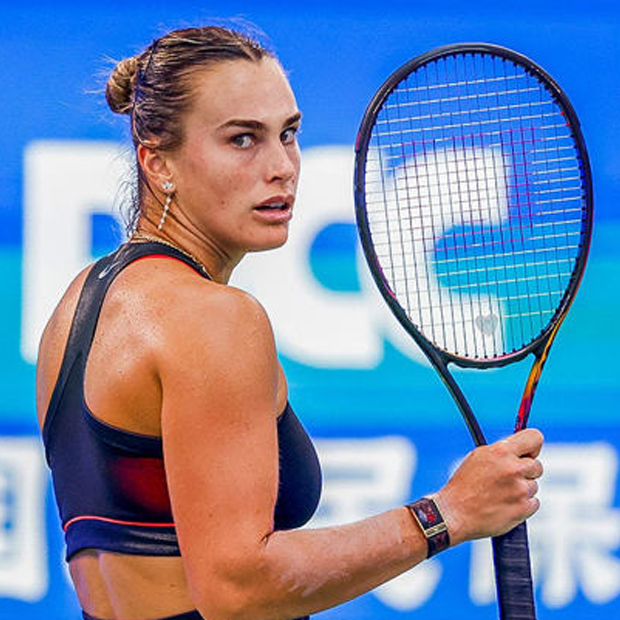
Photo Credit: Getty Images
Aryna Sabalenka believes that players may eventually boycott a Grand Slam tournament if ongoing disputes over prize money are not resolved, as tensions continue between top players and the sport's governing bodies.
The world number one said that increasing frustration over financial distribution and decision-making power could push athletes toward collective action in the future. Leading players from both the men's and women's tours are calling for a larger share of revenue from the four major tournaments, along with improved benefits and greater involvement in scheduling decisions.
Speaking in Rome ahead of the Italian Open, Sabalenka said she feels a boycott could become inevitable if negotiations do not lead to meaningful change. She emphasized that players are central to the sport's success, noting that without them, there would be no tournaments or entertainment product.
Her comments come as several top players have begun speaking more openly about the issue. Coco Gauff said she could support a boycott if all players acted together, while also stressing the importance of unity. However, Iga Swiatek expressed caution, saying that while she supports fairer prize money, a boycott would be too extreme and that dialogue remains the better path. Emma Raducanu also stated she would not take part in any such action, adding that Grand Slam events hold too much personal significance for her to consider skipping them.
Recent dissatisfaction intensified after players voiced disappointment with prize money allocations at the French Open. Although prize funds at Roland Garros increased by 9.5 percent, players argue this still falls short of the roughly 22 percent share of tournament revenue they believe they should receive. Similar increases have been seen elsewhere, with the US Open raising its prize pool by 20 percent and the Australian Open increasing payouts by nearly 16 percent. Wimbledon is expected to announce its updated figures soon.
Sabalenka said she hopes a fair resolution can be reached through continued discussion, adding that many players now feel empowered to speak collectively about what they believe is right.
Others remain skeptical about strike action. Jessica Pegula has suggested that while players are united in seeking better terms, a boycott is unlikely because athletes are fundamentally driven to compete at the biggest events.
The debate highlights growing pressure within tennis as players push for a stronger voice in how the sport's biggest tournaments are structured and financed, while governing bodies weigh how to balance tradition, revenue, and athlete demands.