

Photo Credit: Getty Images
The 2026 Eurovision Song Contest is officially underway in Vienna, Austria, marking the competition’s 70th anniversary. Usually known for glittering performances, colourful costumes and a celebration of music and culture, this year’s contest has instead opened under the shadow of political controversy surrounding Israel’s participation.
The annual event began with the traditional turquoise carpet parade featuring competitors from all 35 participating nations. However, the excitement has been mixed with tension after five countries Iceland, Ireland, the Netherlands, Slovenia and Spain announced they would boycott this year’s competition. Their withdrawal comes after months of debate over Israel’s inclusion in Eurovision following the ongoing conflict in Gaza.
The controversy surrounding Israel’s participation has been growing since October 2023 when the Israeli government launched a major military offensive in Gaza following a Hamas led attack that killed around 1,200 people and resulted in 251 hostages being taken according to Israeli authorities. Gaza’s Hamas led health authority says more than 72,000 people have since been killed during the conflict. Although a ceasefire agreement has reportedly been in place since October 2025, tensions surrounding the war continue to affect international events including Eurovision.
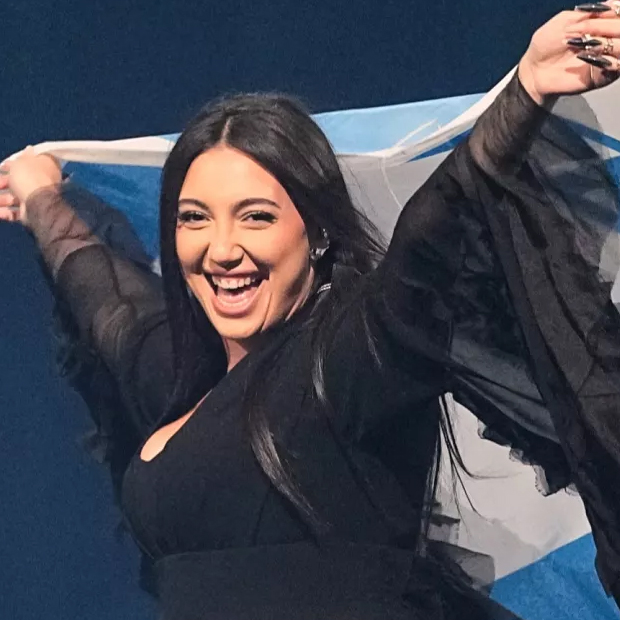
Recent Eurovision contests have already experienced heavy political pressure connected to the issue. During the 2024 contest in Malmö and the 2025 edition in Basel, anti Israel protests filled the streets while Israeli contestants performed under tight security and armed protection. In 2025, Israeli singer Yuval Raphael who survived the 7 October attacks revealed that she had even rehearsed while expecting boos from the audience. During her performance at the final, two protesters reportedly attempted to storm the stage.
Further controversy emerged after Raphael’s song unexpectedly won the public vote despite finishing second overall because of lower jury scores. Critics claimed that Israel’s public support may have been influenced by Israeli Prime Minister Benjamin Netanyahu and official government social media accounts encouraging people to vote for the entry. Several countries later attempted to push for a vote on Israel’s future participation in Eurovision, but the proposal failed.
The situation has deeply divided Eurovision fans, many of whom view the competition as more than just a music event. Eurovision has long been connected to ideas of unity, inclusivity and especially LGBTQ+ identity across Europe and beyond. Fan communities play a major role in keeping the contest alive through podcasts, blogs, social media pages and year round discussions.
However, some long running fan platforms have stepped away from coverage this year. Eurovision Hub stated that the contest “is not the one we fell in love with all those years ago,” while Ireland’s Eirevision podcast said Eurovision had “never felt more divided.”
Others within the fan community are trying to find a middle ground instead of abandoning the contest completely. Welsh fan Philip Dore wrote that many people are struggling with sadness, frustration and confusion over the situation but warned against judging how others choose to respond. Some fans have chosen to boycott entirely while others continue to follow the event despite discomfort surrounding the politics involved.
Despite the tension, excitement around Eurovision has not disappeared completely. Tickets for the nine final shows in Vienna sold out within minutes, showing that many fans still feel emotionally connected to the contest. British producer Martin Green said the strong ticket sales prove Eurovision still represents “joy, togetherness and shared experience.”
Experts also argue that Eurovision has always faced political controversies throughout its history. Media scholar Dean Vuletic noted that previous contests have also been affected by political disputes including the 2009 contest in Moscow and the 2012 edition in Azerbaijan where concerns over human rights dominated headlines.
As Vienna hosts this historic 70th anniversary edition, Eurovision organisers are attempting to keep the focus on music and performance. However, with boycotts, protests and growing divisions among fans, politics continues to remain impossible to ignore. Even so, many loyal supporters believe the contest can still provide moments of connection and joy during a deeply difficult period around the world.