

Photo Credit; Getty Images
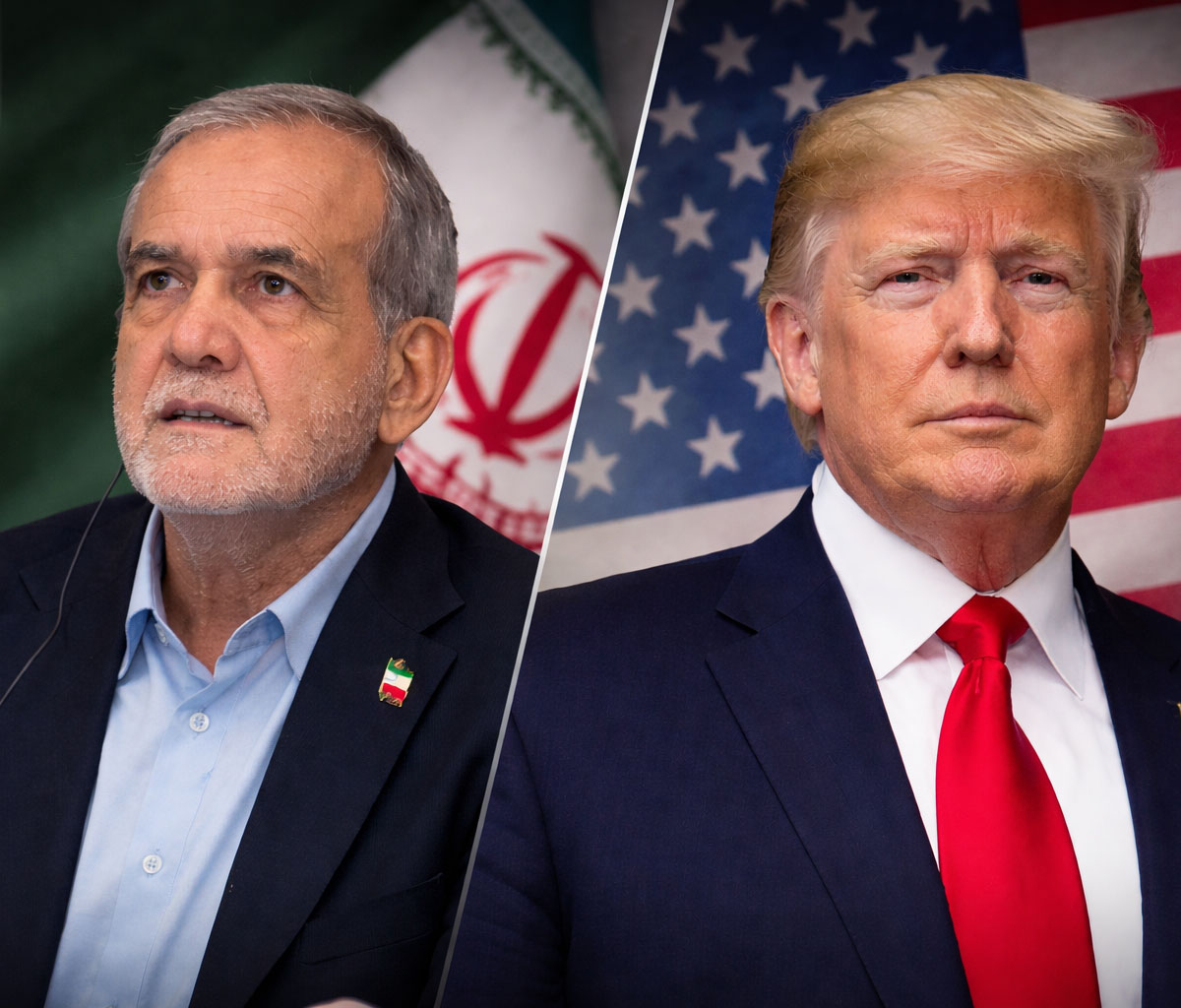
The United States and Iran have agreed to a two-week halt in hostilities following weeks of escalating conflict, with Washington pausing planned strikes on Iranian infrastructure. The announcement came after urgent diplomatic outreach and mounting global concern over the risk of wider war.
A key condition of the agreement is the reopening of the Strait of Hormuz, a critical route for global oil shipments. Iranian officials say passage will be coordinated by their military, allowing vessels to move through the waterway under controlled conditions during the pause.
Pakistan has invited both sides to Islamabad for talks expected later this week, positioning the ceasefire as a short-term measure to create space for negotiations aimed at a broader settlement.
The agreement follows a dramatic shift in tone after warnings of imminent large-scale attacks raised fears of catastrophic consequences. Earlier deadlines and threats gave way to last-minute բանակցations, with both sides presenting the outcome as a strategic win.
Financial markets reacted swiftly. Oil prices dropped sharply following news of the reopening of the strait, while investor sentiment improved amid hopes that the pause could prevent further disruption to global energy supplies.
Still, skepticism remains high. In Tehran, some citizens questioned the durability of the agreement, citing past tensions and distrust in negotiations with Washington. Officials in Iran have also emphasized that cooperation during the ceasefire does not signal a long-term concession.
The scope of the ceasefire appears limited. Ongoing regional dynamics, including separate military operations involving allied groups, are not fully covered under the arrangement, raising concerns about potential flare-ups that could undermine the truce.
For now, the two-week period represents a narrow but critical opportunity. Diplomats face pressure to translate the temporary halt into a more lasting agreement, even as underlying disputes over security, sanctions, and regional influence remain unresolved.