

 Photo Credit; Getty Images
Australia's sweeping ban on social media for under-16s has officially taken effect, thrusting more than a million teenagers into a digital landscape they've never known, one without the platforms that shaped their daily routines, friendships, and identities. Prime Minister Anthony Albanese called it "a proud day to be prime minister of Australia," describing the ban as a landmark move meant to shield young people from harmful content and addictive algorithms.
The law, enforced at midnight, requires major platforms including Instagram, TikTok, YouTube, Facebook, Snapchat, Reddit, X, Twitch, Threads, Kick and others to block underage accounts or face penalties that could reach AU$49.5 million. Albanese framed the shift as a needed cultural reset, urging teens to "start a new sport, new instrument, or read that book" as the summer break approaches.
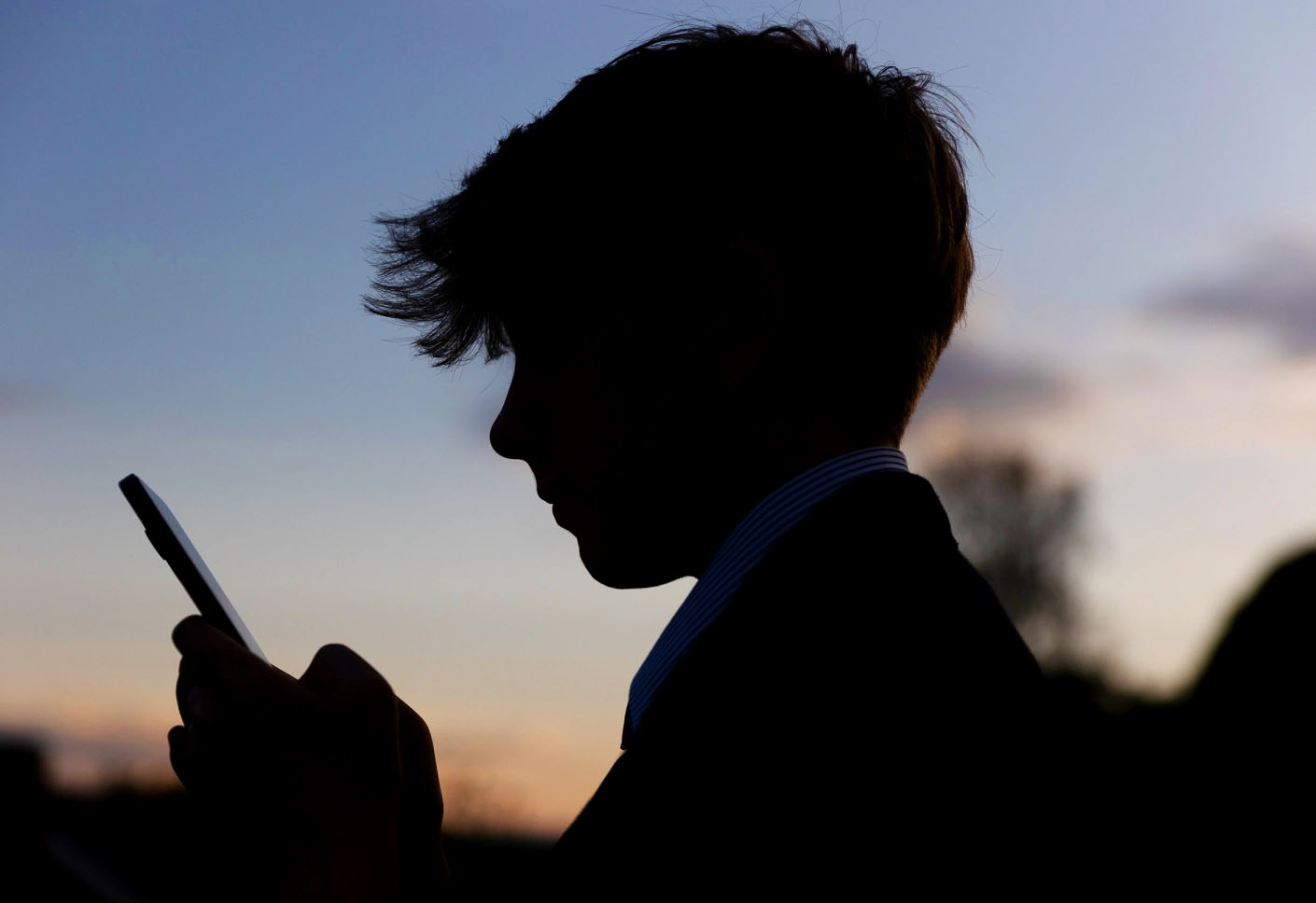
But the reaction among teenagers is far from unified. Lulu, 15, showed cameras the moment she was blocked from TikTok, only to admit she had already created another account. Tyson, also 15, said teens determined to stay online "will be the first ones to find a way around" the restrictions, predicting widespread use of VPNs before the loophole eventually closes. Others, like Grace, described cycling through anger and "denial and grief," while some shrugged, saying they'd "get over it quickly."
Parents and advocates who campaigned for the law believe it will save lives. Mia Bannister, whose son died at 14 after exposure to harmful content, urged parents not to help their children bypass the rules. She pointed to a heartbreaking list of cases involving young teens who suffered severe online harms, insisting platforms' "billion-dollar algorithms" make the ban necessary.
Still, critics warn of unintended consequences. Some youths fear isolation, especially queer teens or those with niche interests who rely on online communities for support. Others worry about losing creative outlets and opportunities, especially young influencers who built early careers on social media.
Globally, regulators are watching Australia closely. Several countries have hinted they may follow suit, making this rollout not just a national experiment but a test case for the
world. Whether it protects teens or pushes them into darker online corners remains an open question, one the coming months will answer.