

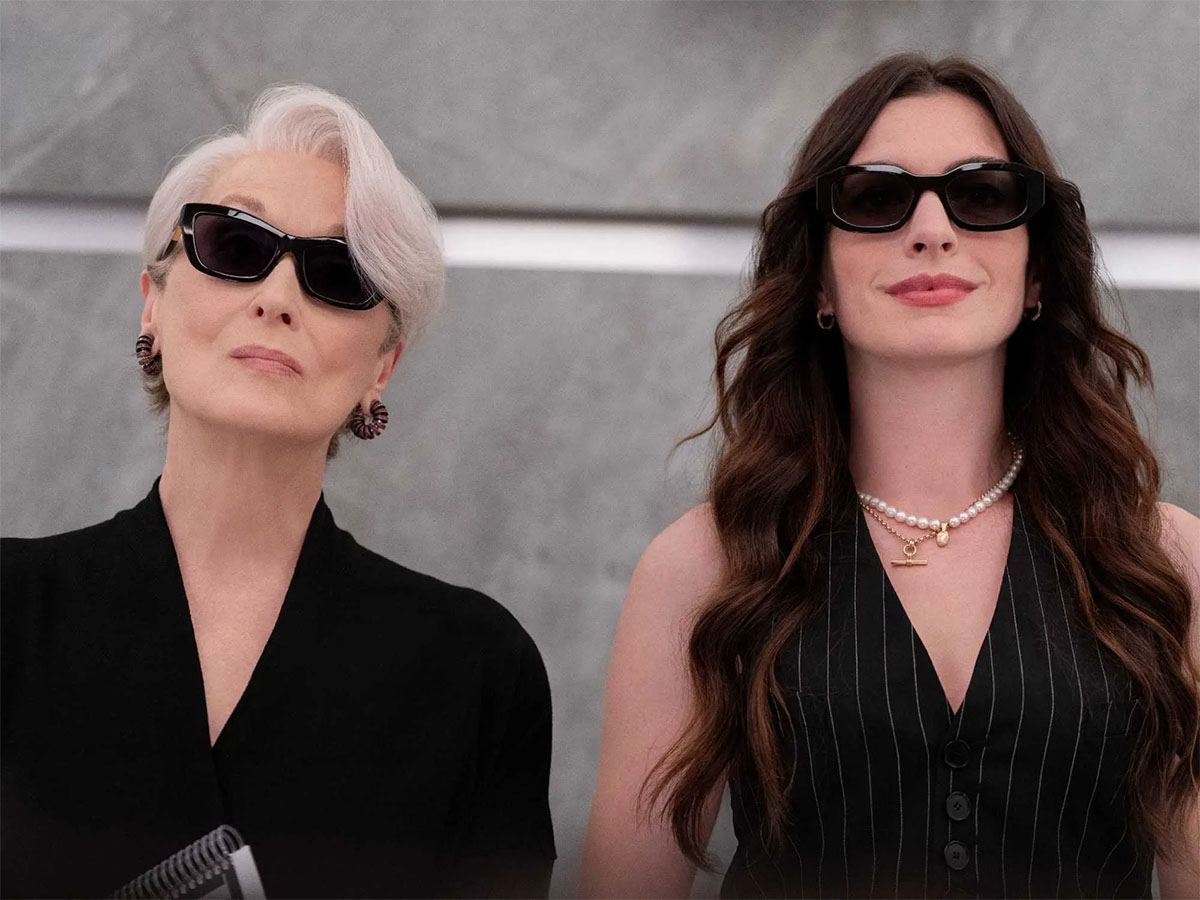
Photo Credit: Getty Images
Nearly two decades after its cultural impact first took hold, The Devil Wears Prada returns with a sequel that reflects a dramatically evolving media landscape while preserving the charm that made the original iconic.
Led by Meryl Streep as the formidable Miranda Priestly, the film reintroduces audiences to the high pressure world of fashion journalism. However, this time, the narrative extends beyond style and ambition to confront the realities of a digital era marked by social media influence, artificial intelligence, and declining print dominance.
Streep emphasized that her return hinged on the story's relevance, insisting that the sequel must resonate with contemporary audiences. This commitment is evident in the film's exploration of the shifting power dynamics within journalism, where traditional authority is increasingly challenged by digital platforms.
Anne Hathaway reprises her role as Andy Sachs, now navigating a more mature stage of her career. Her character reflects the tension between professional ambition and personal fulfillment, a theme that continues to resonate strongly with audiences.
Meanwhile, Emily Blunt and Stanley Tucci return with evolved roles, contributing to a narrative that balances nostalgia with progression. The film also incorporates high profile fashion elements and global settings, maintaining its signature aesthetic appeal.
Critics have largely praised the sequel for its intelligence and respect for the original, while acknowledging its attempt to address modern challenges. At its core, the film highlights the enduring complexities faced by women in ambitious careers, where success is often scrutinized differently than it is for men.
Beyond its glamorous surface, the sequel raises questions about identity, purpose, and the cost of professional dedication. It invites viewers to reflect on their own values while offering an engaging cinematic experience.
Ultimately, the film succeeds in blending entertainment with insight, reaffirming its place within contemporary culture while adapting to the realities of a rapidly changing world.