

Photo Credit: Getty Images
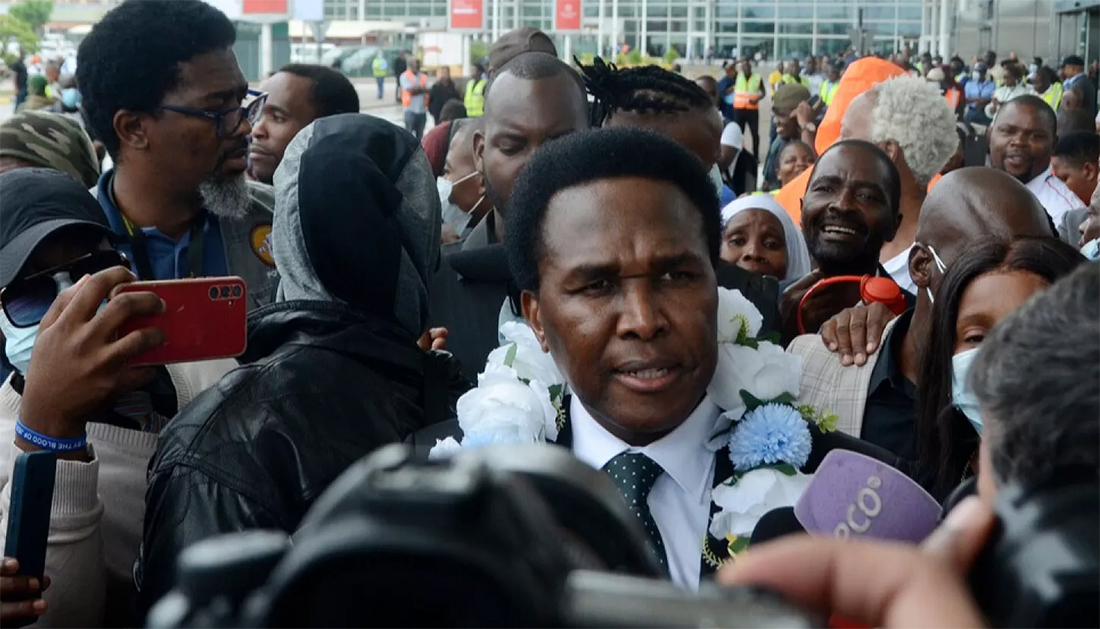
Political tensions continue to simmer in Mozambique, where prosecutors are pursuing legal action against opposition leader Venancio Mondlane over his alleged role in last year's deadly post-election unrest. Mondlane, who has accused the ruling Frelimo party of rigging the 2024 presidential election, now faces charges that he incited violence that led to the deaths of more than 300 people.
Mondlane, leader of Mozambique's main opposition party, was summoned by prosecutors this week and presented with a 40-page document detailing the accusations. Prosecutors claim he stirred public disorder following the disputed vote, though they have declined to make public statements on the matter.
The election outcome remains fiercely contested. President Daniel Chapo, representing Frelimo, claimed victory amid widespread accusations of fraud. While Frelimo maintains the election was legitimate, international observers, including Western diplomats and election monitors, have expressed serious concerns about the fairness and transparency of the process.
The civil unrest that followed marked the largest anti-government uprising in Mozambique since it gained independence from Portuguese colonial rule in 1975. Demonstrators took to the streets in several cities, alleging ballot tampering and intimidation. Police crackdowns turned violent, and hundreds lost their lives in the ensuing chaos.
Mondlane has remained defiant, insisting that the charges are politically motivated and designed to silence dissent. Supporters view the prosecution as an attempt by the ruling elite to further consolidate power and intimidate the opposition.
In a surprising twist, the past few months had signaled potential political thaw. Mondlane and President Chapo met for talks in March and again in May. Chapo also initiated a national dialogue and extended an invitation to Mondlane to join a presidential advisory body. These moves were seen as gestures toward reconciliation.
However, the latest legal action threatens to unravel that progress and risks reigniting political unrest. Analysts fear the prosecution may deepen divisions in the country and send a chilling message to those seeking electoral reform.
Mozambique, rich in natural resources but still grappling with widespread poverty and periodic insurgencies, stands at a fragile political crossroads. The outcome of this case will likely shape the country's political trajectory and determine whether dialogue can triumph over division.
Observers are watching closely, but so far, the path forward remains clouded by uncertainty and unresolved grievances.